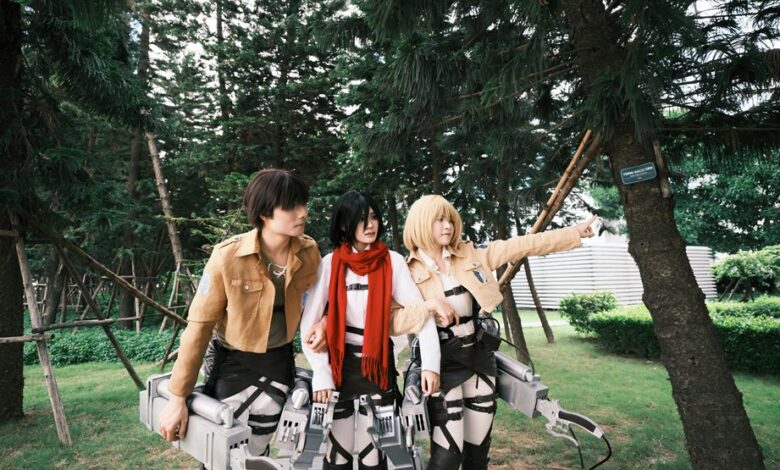
Toji Manga represents a unique intersection of traditional and modern influences in storytelling. Its roots in ukiyo-e and Noh theater shape its visual aesthetics and thematic explorations. The genre’s ability to convey complex human experiences through various narratives invites further examination. Notably, its global reach and cultural impact raise questions about the future trajectory of this art form. What developments lie ahead for Toji Manga in an increasingly interconnected world?
The Origins of Toji Manga
Although Toji manga may appear to be a modern phenomenon, its roots can be traced back to the rich tapestry of Japanese art and storytelling.
Historical influences such as ukiyo-e and Noh theater laid the groundwork for its development.
This artistic evolution reflects a merging of traditional techniques with contemporary themes, fostering a unique medium that celebrates both heritage and innovation, resonating with a desire for creative freedom.
Key Characteristics of Toji Manga
Toji manga is distinguished by its vibrant blend of visual artistry and narrative depth, showcasing a unique fusion of traditional Japanese influences and modern storytelling techniques.
Character styles often feature exaggerated expressions and dynamic poses, enhancing emotional resonance.
Thematic elements explore freedom, identity, and societal norms, creating a rich tapestry that invites readers to reflect on their own experiences within the context of the narrative.
Popular Genres Within Toji Manga
The thematic richness of toji manga extends into its diverse genres, each offering unique perspectives and narrative frameworks.
Popular genres include fantasy adventures and action thrillers, captivating readers with exhilarating plots.
Romantic comedies provide levity, while horror mysteries delve into the darker aspects of human experience.
Slice of life dramas depict everyday realities, and historical epics transport audiences to different eras, enriching the toji landscape.
The Art of Storytelling in Toji Manga
The art of storytelling in Toji manga is characterized by its innovative visual narrative techniques that enhance the reader’s experience.
These techniques are intricately linked to character development strategies, allowing for a deeper emotional connection between the characters and the audience.
Visual Narrative Techniques
Visual storytelling in Toji manga employs a rich tapestry of techniques that enhance narrative depth and emotional resonance.
Key elements include:
- Visual symbolism that conveys complex themes and character emotions.
- Innovative panel layouts that guide reader engagement and pacing.
- Juxtaposition of images to create tension and contrast.
These techniques collectively enrich the storytelling experience, inviting readers to explore deeper meanings and connections within the narrative.
Character Development Strategies
While character arcs often serve as the backbone of any narrative, Toji manga employs unique strategies that elevate character development beyond mere plot devices. By integrating emotional depth into character interactions and utilizing nuanced backstories, these narratives create a profound connection with the audience.
| Character Arcs | Emotional Depth | Impact on Audience |
|---|---|---|
| Transformation | Resonance | Empathy |
| Conflict | Vulnerability | Engagement |
| Redemption | Healing | Inspiration |
Cultural Impact and Global Reach
Although Toji manga originated within a specific cultural context, its influence has transcended geographic boundaries, resonating with diverse audiences worldwide.
This global influence fosters cultural exchange and enriches artistic expression.
Key aspects include:
- The adaptation of traditional themes into modern narratives
- Cross-cultural collaborations that enhance storytelling
- The emergence of international fan communities, promoting shared appreciation and dialogue.
The Future of Toji Manga
How might the evolution of digital platforms shape the future of Toji manga?
As digital evolution accelerates, creators can leverage new technologies to enhance audience engagement.
Interactive storytelling, augmented reality, and decentralized distribution models could emerge, allowing readers to experience Toji manga in immersive ways.
This transformation invites a broader audience while fostering a more liberated and participatory creative environment, ultimately redefining storytelling dynamics.
Conclusion
In the intricate tapestry of Toji Manga, the convergence of tradition and modernity mirrors the serendipitous encounters of its characters, each reflecting a unique facet of the human experience. As artists continue to draw inspiration from both historical and contemporary narratives, the genre thrives, capturing the essence of freedom and identity. This dynamic interplay not only fosters a deeper cultural appreciation but also ensures that Toji Manga will evolve, resonating with audiences worldwide for generations to come.