Plumbing problems do not always begin with a burst pipe or water across the floor. Sometimes the first sign is a faucet that drips after being turned off, a toilet that refills unexpectedly, a damp cabinet or a water bill that seems unusually high. Not every change signals a major repair, but noticing patterns early can help homeowners decide what to monitor and when to get professional help.
A useful first step is learning what is normal in your home. Pay attention to how quickly hot water arrives, whether drains usually clear smoothly, and where the main water shutoff is located. Knowing these basics can make it easier to describe a change clearly if you need a plumber—and may help you respond more calmly if a leak appears.
Look for simple signs of a leak
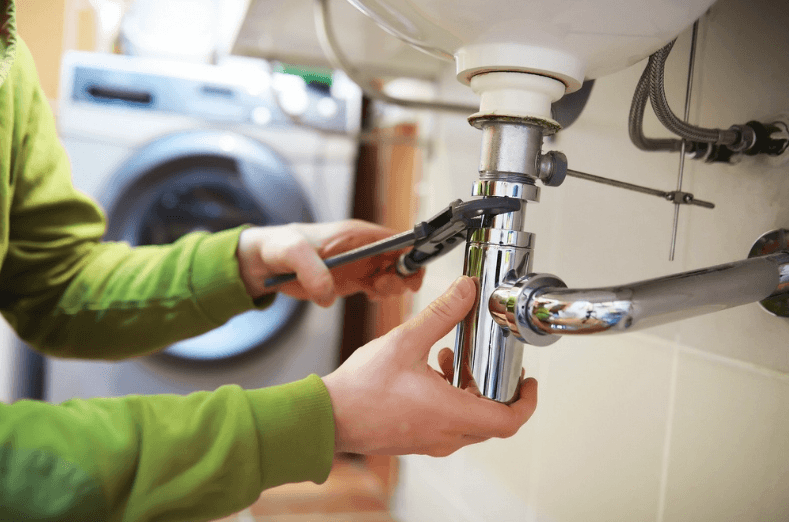
Check visible areas from time to time: under sinks, around toilet bases, near exposed pipes and around the water heater. Look for moisture, water marks, corrosion, peeling finishes or a musty smell. A dry paper towel can help reveal a small drip around an accessible connection. Do not move heavy appliances or enter a confined area to inspect plumbing; if access is difficult or the area may be unsafe, arrange professional help.
Listen as well as look. A toilet that runs or refills when no one has used it may have a leak inside the tank. The U.S. Environmental Protection Agency’s WaterSense program describes a simple check: add a few drops of food coloring to the toilet tank and wait about 10 minutes without flushing. If color appears in the bowl, water may be leaking through the tank’s seal. Flush afterward to avoid staining. If you are unsure how to proceed or the toilet continues to run, ask a plumber to assess it.
For residents in Summerville, Charleston and nearby communities, Suncoast Plumbing lists leak detection and repair among its services, along with drain work and water-heater service. A professional can help investigate a suspected leak when the source is hidden, recurring or beyond a simple fixture check.
Pay attention to changes in water use
A higher-than-usual water bill can have several explanations, including seasonal use, guests, irrigation or a leak. Compare bills over time and note any changes in household routines. If you want to check whether water may be flowing when fixtures are off, read the meter, avoid using water for a period, then check again. Follow your utility’s guidance for the meter; if it continues to move, consider having the plumbing inspected.
Do not assume that every hidden leak will be obvious at the surface. Damp flooring, bubbling paint or a persistent musty odor can warrant closer attention, especially if the signs return after drying. Avoid opening walls or cutting into floors just to search for a pipe. A plumber or other qualified professional can help determine the next appropriate inspection step.
Notice drainage and hot-water patterns
A slow drain in one fixture may have a different cause from several drains becoming sluggish at once. Note which fixtures are affected, whether the problem is intermittent, and if there is gurgling or an unusual odor. Avoid mixing chemical drain products or repeatedly using harsh cleaners. If a blockage persists, affects multiple fixtures or is accompanied by backup, stop using the affected plumbing and seek professional advice rather than forcing a fix.
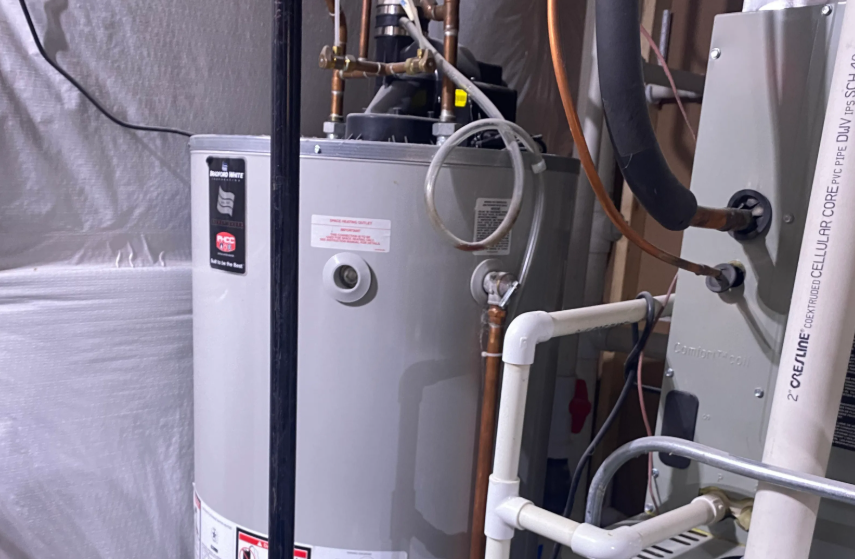
Water heaters also tend to give clues before a complete loss of hot water. Inconsistent temperature, unfamiliar rumbling or popping sounds, visible moisture around the unit, rusty-looking water or a longer wait for hot water are reasons to seek an assessment. These symptoms do not identify a single cause on their own. Note when they occur and whether they are getting worse, then share that information with a qualified plumber.
Do not remove panels, adjust gas components or work on electrical connections unless you are qualified and the manufacturer’s instructions and local requirements permit it. Water heaters combine plumbing with energy sources and can present serious hazards if handled incorrectly. A professional should evaluate the appliance and determine whether repair, replacement or another response is appropriate for the specific installation.
Know what to do when water is actively escaping
If a pipe or fixture is leaking significantly, first keep people away from wet or slippery areas. If you can safely reach the home’s main water shutoff, closing it may limit further flow while you arrange help. If water is near electrical equipment, do not step into it or touch switches or appliances; keep clear and contact appropriate emergency or utility professionals. The correct response depends on the location and severity of the problem.
After the immediate issue is addressed, take photos of visible damage and make a note of when it began. Avoid concealing a damp area before its source is understood, since moisture can remain behind finishes. Ask the plumber to explain the likely cause, the repair options, any work that may be needed to reach the affected pipe, and how the system will be checked afterward.
See also: Radiant Node Start 192168.15.1/Installer Shaping Visionary Networks
Keep a basic maintenance record
A simple home log can make future troubleshooting more efficient. Record the date, fixture, symptoms, any temporary steps taken and the outcome of a service visit. Keep product manuals and warranty information for water heaters, filters and other plumbing equipment in one place. Share relevant changes with a plumber rather than relying on memory during a rushed appointment.
Routine observation is not a substitute for inspection, and no checklist can determine the condition of concealed plumbing. Still, noticing small changes, using safe checks and asking for help when a problem repeats can make it easier to address plumbing concerns before they disrupt more of the home. For repairs involving hidden lines, water heaters, gas or electrical connections, have the work assessed by an appropriately qualified professional and follow applicable local standards.