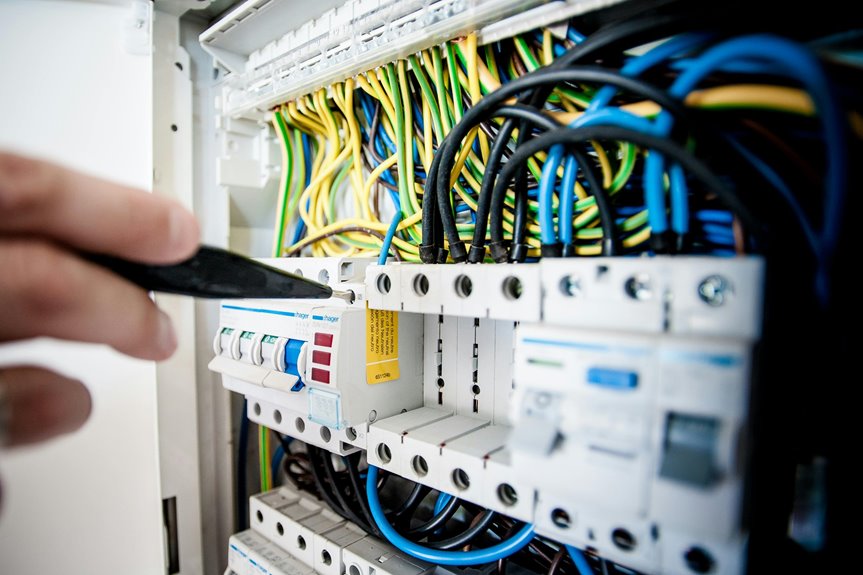
The Network Engineering & Maintenance Authority (NEMA) serves a critical function in the oversight of network systems, ensuring their reliability and efficiency. With established protocols, NEMA guides the design and maintenance of infrastructure. This authority addresses various challenges faced in network management, emphasizing the necessity of ongoing maintenance. As organizations increasingly rely on these systems, understanding NEMA’s role becomes essential. The implications of their methodologies on both businesses and individuals warrant further examination.
Overview of Network Engineering & Maintenance Authority
The Network Engineering & Maintenance Authority (NEMA) serves as a regulatory and oversight body tasked with ensuring the integrity, reliability, and performance of network infrastructures.
By establishing standardized network protocols and guiding infrastructure design, NEMA fosters an environment conducive to innovation and efficiency.
This regulatory framework empowers stakeholders to maintain resilient networks, ultimately supporting the freedom of information flow and connectivity across diverse platforms.
Key Responsibilities of Network Engineers
Network engineers play a critical role in designing, implementing, and maintaining robust network systems that meet organizational demands.
Their responsibilities encompass thorough network design, ensuring optimal architecture aligns with business objectives.
Additionally, they engage in performance tuning, optimizing network efficiency and reliability.
Challenges in Network Infrastructure Management
Effective management of network infrastructure faces several significant challenges, including resource allocation issues that can hinder optimal performance.
Additionally, the integration of diverse technologies often leads to compatibility concerns, complicating operational efficiency.
Furthermore, the increasing sophistication of security threats necessitates robust management strategies to safeguard network integrity.
Resource Allocation Issues
While resource allocation remains a critical component of network infrastructure management, various challenges complicate its effectiveness.
Inefficient resource distribution can lead to bottlenecks, diminishing network efficiency and performance. Additionally, fluctuating demand and unpredictable workloads necessitate dynamic allocation strategies.
Without addressing these issues, organizations risk suboptimal performance, increased operational costs, and reduced overall network reliability, ultimately undermining their strategic objectives.
Technology Integration Difficulties
Resource allocation issues frequently intersect with technology integration challenges in network infrastructure management. Organizations often face integration barriers that hinder technology adoption, leading to inefficient operations. By addressing these challenges, firms can enhance their network capabilities and ensure optimal performance.
| Integration Barriers | Solutions |
|---|---|
| Legacy systems | Upgrade infrastructure |
| Skill gaps | Training programs |
| Budget constraints | Strategic resource planning |
| Inadequate support systems | Implement robust frameworks |
Security Threats Management
Numerous organizations encounter significant challenges in managing security threats within their network infrastructure.
Effective threat detection and vulnerability assessment are essential to identify potential risks and mitigate them promptly. However, the dynamic nature of cyber threats complicates these processes, requiring continuous monitoring and adaptation.
Organizations must implement robust frameworks to enhance their resilience against evolving security challenges while maintaining operational integrity and user freedom.
Importance of Maintenance in Communication Systems
The maintenance of communication systems is critical for enhancing system reliability, ensuring continuous operation and minimizing downtime.
Regular maintenance practices can lead to significant cost savings by preventing unexpected failures and extending the lifespan of network components.
Consequently, a strategic approach to maintenance not only optimizes performance but also supports sustainable operational efficiencies.
System Reliability Enhancement
System reliability enhancement plays a critical role in maintaining the integrity of communication systems.
By focusing on systematic maintenance, organizations can improve system performance and reliability metrics.
Key factors include:
- Continuous monitoring of system health
- Regular software updates and patches
- Preventative maintenance protocols
- Comprehensive training for personnel
- Data-driven decision-making processes
These elements collectively ensure optimal functionality and minimize downtime in communication networks.
Cost-Effective Operations
Achieving cost-effective operations in communication systems hinges on the implementation of thorough maintenance practices.
Regular maintenance enhances cost efficiency by preventing system failures, which can lead to significant operational savings. By proactively addressing potential issues, organizations can optimize resource allocation, extend equipment lifespan, and reduce unplanned downtime.
Consequently, a strategic maintenance approach is essential for sustaining economic viability in communication infrastructure.
Innovative Solutions for Network Optimization
While contemporary network demands escalate, innovative solutions for network optimization have emerged as critical drivers of efficiency and performance.
Key strategies include:
- Network automation for streamlined operations
- Bandwidth management to enhance capacity
- Traffic analysis for informed decision-making
- Latency reduction to improve response times
- Performance tuning for optimal user experience
These solutions collectively support system scalability and data optimization, fostering a robust network infrastructure.
Impact on Businesses and Individuals
As network optimization solutions continue to evolve, their impact on businesses and individuals becomes increasingly significant, shaping operational efficiency and user experiences.
Enhanced network performance drives business productivity by streamlining processes and reducing downtime.
Simultaneously, improved individual connectivity fosters greater collaboration and access to information, empowering users to leverage technology effectively, thus facilitating a more dynamic and responsive environment for both enterprises and consumers.
Conclusion
In the intricate tapestry of digital connectivity, the Network Engineering & Maintenance Authority serves as the vigilant weaver, ensuring each thread is robust and resilient. Like a seasoned gardener tending to a sprawling network of vines, network engineers cultivate systems that flourish through meticulous maintenance and innovation. Their efforts mitigate the storms of disruption, allowing businesses and individuals to thrive in a seamless landscape of communication, where every signal is a pulse in the heartbeat of modern society.